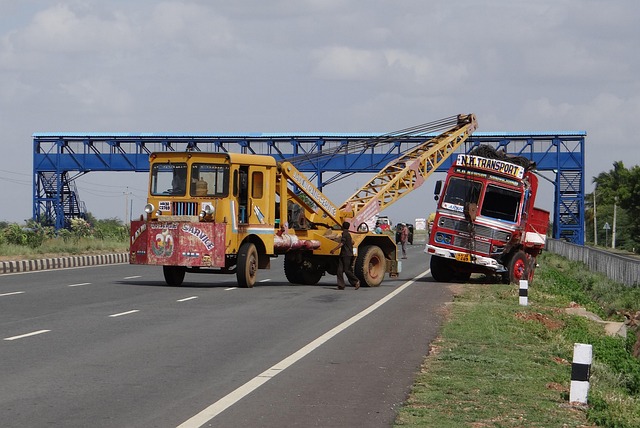
Trucking liability in The Bronx, particularly around construction sites, is a critical issue due to the high risk of accidents involving large vehicles and vulnerable pedestrians/workers. Construction Site Accident Lawsuits are a crucial means for justice and compensation. Liability can fall on drivers, employers, or both, based on negligence and adherence to regulations such as those set by the FMCSA and local guidelines. Successful cases require thorough investigation, evidence collection, and legal expertise. Understanding these complexities is essential for pursuing compensation in The Bronx, where strict safety protocols aim to protect workers' rights and public safety.
In the dynamic landscape of The Bronx, understanding trucking liability is paramount, especially regarding construction site accidents. This article delves into the intricate legal aspects surrounding these incidents, focusing on key areas such as personal injuries, property damage, and worker’s rights. We explore how individuals can navigate complex lawsuits, emphasizing the importance of public safety in Bronx construction sites. By examining these crucial facets, we aim to provide insights into managing risks and ensuring accountability for trucking-related incidents in this urban hub.
- Understanding Trucking Liability in The Bronx
- Construction Site Accidents: A Focus on Legal Recourse
- Navigating Lawsuits for Personal Injuries and Property Damage
- Protecting Workers' Rights and Public Safety in Bronx Construction Sites
Understanding Trucking Liability in The Bronx
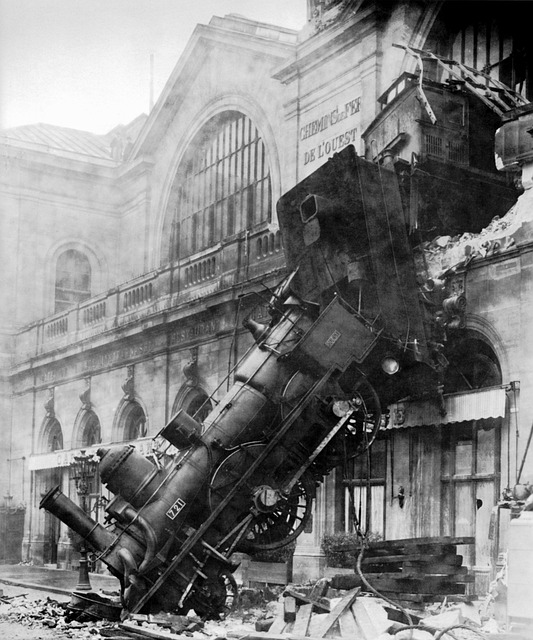
Trucking liability in The Bronx, particularly in relation to construction sites, is a critical aspect of ensuring safety and accountability on New York City’s bustling streets. When massive trucks navigate through urban areas, especially high-traffic zones like The Bronx, the potential for accidents is ever-present. These incidents can range from collisions with other vehicles to strikes against pedestrians or even construction site workers.
In the event of a construction site accident lawsuit, understanding trucking liability is paramount. Drivers and their employers must adhere to stringent regulations governing vehicle maintenance, driver qualifications, and safety protocols. Negligence on their part can lead to severe consequences, including personal injuries, property damage, and legal repercussions. The Bronx’s dense urban environment necessitates extra caution, as the combination of heavy trucks and pedestrian/worker vulnerabilities creates a unique challenge that requires strict adherence to liability standards.
Construction Site Accidents: A Focus on Legal Recourse
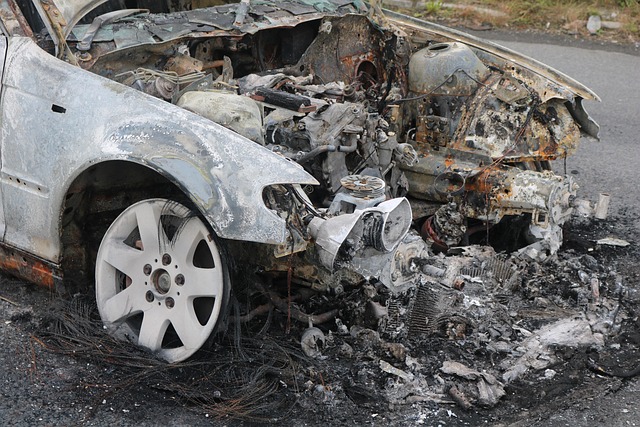
Construction site accidents involving trucks can have severe consequences, leading many to seek legal recourse through Construction Site Accident Lawsuits. In such cases, liability often falls on the truck driver, their employer, or both, depending on factors like negligence, proper training, and adherence to safety protocols.
The legal process for these lawsuits involves careful investigation, gathering evidence, and presenting a strong case. It’s crucial to document all details of the accident, including witness statements, medical records, and any violations of traffic or construction site regulations. Expert witnesses and attorneys specialized in trucking litigation can significantly enhance the chances of a successful Construction Site Accident Lawsuit outcome, ensuring victims receive fair compensation for their injuries and losses.
Navigating Lawsuits for Personal Injuries and Property Damage

Navigating lawsuits for personal injuries and property damage is a complex process, especially in high-traffic areas like The Bronx. When truck accidents occur at construction sites, it’s crucial to understand the legal landscape. These cases often involve stringent liability laws and specific regulations tailored to trucking operations and construction zones.
In New York, both state law and federal regulations play a significant role in determining liability for vehicle crashes. For instance, the Federal Motor Carrier Safety Administration (FMCSA) sets standards for truckers, including hours of service, vehicle maintenance, and safety training. Construction sites must also adhere to local and state guidelines, which can impact legal strategies in the event of an accident. When a truck collides with workers or damages property, understanding these regulations is vital to building a strong case for compensation in construction site accident lawsuits.
Protecting Workers' Rights and Public Safety in Bronx Construction Sites

Protecting workers’ rights and public safety is paramount in Bronx construction sites, where accidents can have severe consequences. In the event of a construction site accident, the liability often falls on various parties, including property owners, general contractors, subcontractors, and equipment manufacturers. Understanding the legal framework surrounding Construction Site Accident Lawsuits is crucial for ensuring accountability and securing justice for injured workers.
The Bronx’s strict regulations aim to safeguard both construction workers and the public by holding responsible parties accountable. This includes adhering to safety protocols, providing adequate training, and maintaining a secure work environment. When accidents occur due to negligence or violations of these regulations, affected individuals can seek legal recourse through Construction Site Accident Lawsuits, aiming to compensate for medical expenses, lost wages, and pain and suffering.
In conclusion, understanding trucking liability in The Bronx is paramount for ensuring worker safety and resolving construction site accidents. By focusing on legal recourse, navigating lawsuits for personal injuries and property damage, and prioritizing workers’ rights and public safety, we can foster a more secure and responsible construction environment. Awareness of these key aspects empowers all parties involved to minimize risks and hold accountable those who neglect their duties, ultimately enhancing the overall safety and efficiency of Bronx construction sites.